1. Modern Infrastructure as Economic Driver
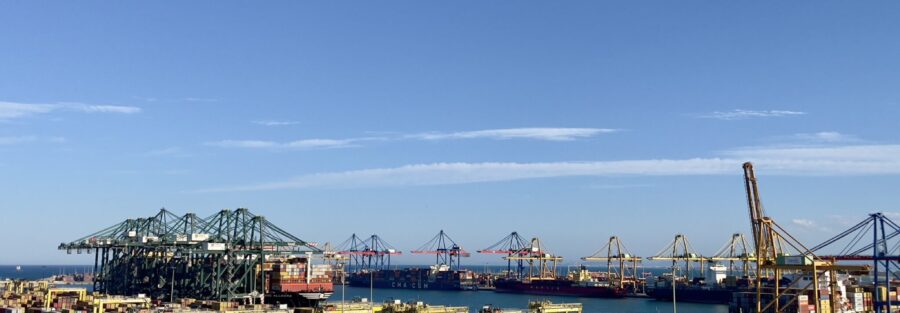
Ports require strong infrastructure. Repairs of berths and wharfs ensure operational safety. Structural integrity prevents accidents. Modern facilities increase cargo capacity. Infrastructure investment strengthens competitiveness. Safe docking protects vessels. Reliable structures support economic stability. Growth depends on modernization.
2. Technological Advancement in Port Operations
Innovation improves logistics efficiency. Automated systems reduce delays. Digital tracking enhances transparency. Technology minimizes human error. Smart systems optimize scheduling. Data-driven decisions increase productivity. Modern ports operate with precision. Innovation fuels economic expansion.
3. Risk Reduction Through Modernisation
Aging infrastructure increases accident risk. Proactive maintenance prevents failures. Structural upgrades enhance safety compliance. Investment reduces liability. Safe operations protect human life. Reliable systems minimize downtime. Prevention reduces long-term costs. Modernization ensures resilience.
4. Attracting Global Shipping Partners
Efficient ports attract international shipping lines. Modern facilities increase competitiveness. Strong infrastructure builds trust. Reliability strengthens trade partnerships. Economic growth expands employment opportunities. Global trade depends on stable ports. Investment boosts national economy. Modern ports lead global markets.
5. Sustainable Economic Development
Economic growth must align with sustainability. Innovation reduces waste. Infrastructure upgrades enhance safety. Long-term planning ensures resilience. Balanced development strengthens communities. Technology supports environmental goals. Growth must be responsible. Sustainable modernization defines the future.